
Due Diligence Survey Before Taking a Rail-Served Industrial Site Under Contract
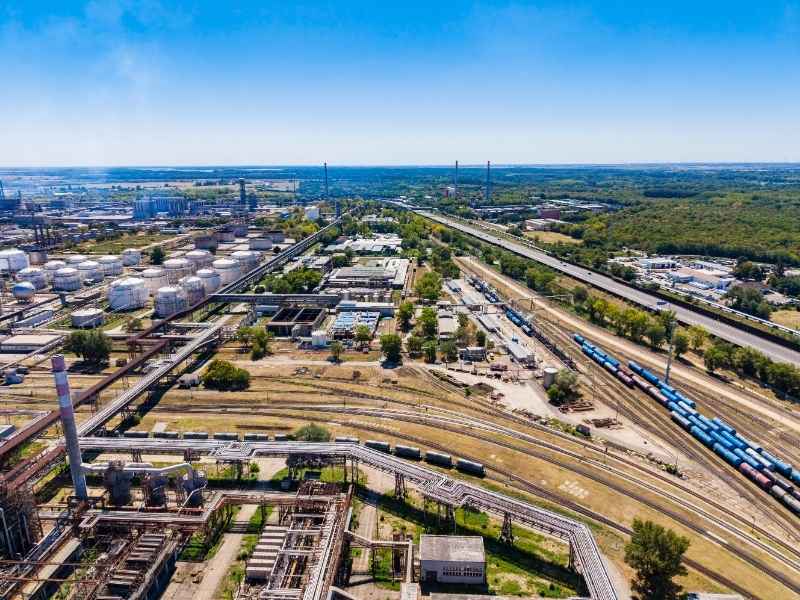
Rail access can make an industrial site valuable. It can also make it complicated. A property with a rail spur running through it carries layers of rights, agreements, and physical conditions that a normal site walk will not show you.
A due diligence survey digs into those layers before you commit to a contract. It shows how the rail line actually relates to the property, not just how it looks on a site plan or aerial photo.
If you are thinking about a rail-served industrial site, these are the questions a survey should answer before your contract becomes firm.
Confirming How the Rail Spur Connects to the Property
A rail spur is a track that branches off a main rail line to serve one property. Before anything else, a due diligence survey confirms exactly how that spur connects to the site you are considering.
This sounds simple, but rail connections are not always easy to trace. A spur might cross onto a neighbor’s land before reaching your property. Or it might depend on a connection point controlled by someone else entirely.
industrial growth has been tied in part to rail and shipping access. This makes rail-served sites a steady draw for buyers. Confirming the real path of the spur, and who controls each part of it, protects you from assuming rail service that is not actually guaranteed.
Key details a survey confirms at this stage:
- The exact path of the spur across the property
- Whether the spur crosses any neighboring land
- The spot where the spur connects to the main rail line
- Whether the spur is active, unused, or needs work to reactivate
Reviewing Rail Rights-of-Way Near Industrial Boundaries
A rail right-of-way is the strip of land where a railroad has legal rights to run, fix, and reach its tracks. When a property sits near or next to rail lines, understanding this right-of-way becomes a key part of due diligence.
A due diligence survey shows exactly where the rail right-of-way sits compared to your property lines. This matters because rights-of-way can limit how close you can build, where you can place structures, and what activities are allowed near the tracks.
Why Boundary Clarity Matters Near Rail Corridors
Industrial boundaries near rail lines sometimes have old mismatches, especially on older sites where rail lines came before current property records. A survey compares recorded boundary information with real conditions on the ground.
Items typically checked in this step:
- The recorded width and spot of the rail right-of-way
- Distance between the right-of-way and planned building areas
- Any old mismatches between deed records and the real rail placement
- Setback rules that may apply near rail lines
Checking Easements Affecting Rail and Truck Access
Industrial sites depend on more than one kind of access. Rail service handles some shipments. Truck traffic handles others. A due diligence survey checks the easements that support both.
This step confirms whether access rights are recorded, whether they cover your planned use, and whether any limits apply to how or when that access can be used.
Common easement problems that show up during this review include:
- Shared access easements that limit truck hours or routes
- Rail easements that spell out who handles upkeep
- Access agreements that were never officially recorded
- Conflicts between rail and truck access points on the same site
For buyers planning heavy use of both rail and truck shipping, confirming these easements early stops operational surprises after closing.
Mapping Existing Loading and Rail-Service Improvements
Rail-served sites usually include physical structures built to support loading and unloading. A due diligence survey maps these structures and shows how they relate to the property line, easements, and rail right-of-way.
This mapping step often shows whether existing structures actually support your planned use, or whether they were built for a different kind of operation entirely.
Improvements commonly recorded include:
- Loading docks and how they line up with rail spur access
- Truck staging areas and how they relate to rail structures
- Existing rail sidings or storage tracks
- Utility connections serving loading and service areas
Buyers planning to change or expand these structures need accurate starting data before finishing plans, since existing structure placement can limit what changes are really possible.
Resolving Survey Questions Before the Contract Becomes Firm
Every finding from a due diligence survey needs a clear answer before a contract moves from pending to firm. Some findings are simple to fix. Others need negotiation, more documents, or a decision about whether the site truly fits your business needs.
Common ways to resolve issues include:
- Asking the seller for updated or corrected easement documents
- Negotiating price or terms based on access limits
- Confirming rail service agreements directly with the railroad
- Adjusting your planned site layout to work within existing limits
Rules for fixing these issues can vary by railroad, county, and the specific terms of your purchase agreement. Confirm early who needs to be involved in clearing each open item.
If your contract timeline is tight, focus first on survey findings that affect your core business needs, since these are the issues most likely to change your decision to move forward.
