
Mortgage Survey for a Fast-Closing Home Purchase With a Recently Added Deck
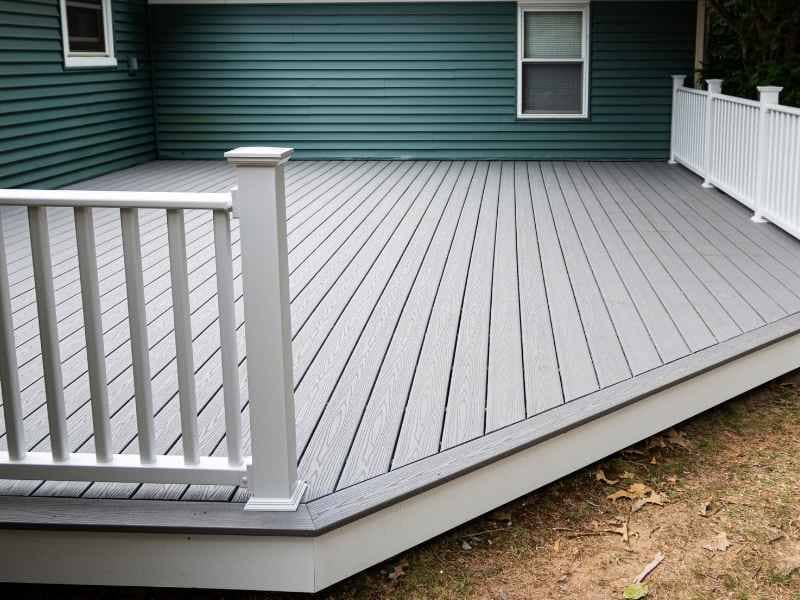
The listing photos looked great, and the new deck was a big part of why you made an offer. Now the closing date is only a few weeks away, and your lender or title company has asked for a survey. A deck built in the last year or two can raise questions that older parts of the property usually don’t, because no surveyor has measured it against the lot lines yet. The smartest move is to order your mortgage survey as soon as your offer is accepted and share everything you know about the deck from the start.
Why a Recent Deck Matters During a Mortgage Survey
A mortgage survey is a drawing of a residential property that shows the lot lines and the location of the main structures on the land. Lenders and title companies rely on it to catch issues that could affect the home’s value, the loan, or the title. The exact type of survey required can vary by lender, title company, and property type. Some ask for a full boundary survey with corners set or verified, while others accept a simpler drawing based on existing records.
A newly added deck is a recent change to the property, so it probably won’t appear on any older survey or recorded plat in the file. That means its position relative to the property lines has never been confirmed. For that reason, it’s often one of the first things a surveyor reviews closely.
Decks also tend to be built near the edges of a backyard. Homeowners want as much outdoor space as possible, so they often extend the deck as far as the yard allows. That’s exactly how a deck can end up too close to a property line or sitting on top of an easement.
Checking the Deck Against Property Lines and Setbacks
The surveyor’s main task is to show where the deck sits in relation to the boundary lines. A property line is the legal edge of the parcel, as described in the deed and recorded documents. A setback is the minimum distance a structure must stay away from that line under local zoning rules. Setback requirements can vary by city, county, zoning district, and even neighborhood covenants.
Your surveyor will measure the deck and place it accurately on the drawing. If any part of it crosses the property line, that’s called an encroachment. If the deck sits closer to a line than the setback allows, the survey may show that as well, depending on the scope you order. It’s a good idea to ask ahead of time whether setback lines will appear on your final drawing.
Watch for Easements Under the Deck
An easement is a legal right that allows someone else to use a portion of the property for a specific purpose. Utility and drainage easements commonly run along the rear or side lines of a lot, which is the same area where many decks are built. If a utility company ever needs access, a deck built over an easement might have to be moved or partly removed. Your title company can explain what a recorded easement allows and how it could affect you.
Keep in mind that a survey shows the deck’s location but doesn’t confirm whether it was built with a permit. Permit records are handled by the local building department. If permits matter to you or your lender, ask the seller for copies or contact that office directly.
Documenting Current Improvements Before the Closing Date
In surveying, improvements are anything built on the land. That includes the house, garage, deck, fences, sheds, driveway, and patios. A mortgage survey records where each of these features is located on the day the field crew visits. The goal is an accurate snapshot of the property as it stands at closing.
That record can protect you long after you move in. If a neighbor questions a fence location next year, you’ll have a dated survey to refer to. If you decide to add a pool, garage, or room later, you’ll already know how much usable space you have. Store the survey with your other closing documents so it’s easy to find.
Be sure to tell the surveyor about any work that’s still in progress. If the seller plans to add stairs, railings, or a new section to the deck before closing, the survey may need to wait or be updated afterward. A drawing that doesn’t match what’s actually on the lot can lead to delays at the closing table.
Coordinating Survey Information With Lender Requirements
Lenders set their own survey requirements, and they don’t all ask for the same thing. Some require a survey on every purchase loan, while others leave the decision to the title company or the buyer. Ask your loan officer early which type of survey they need and what format they expect. Getting that answer in the first week can save you from ordering the wrong product.
Your title company may also be involved. Many title insurance policies include a general exception for survey matters unless a current survey is provided. A new survey may allow the title company to modify or remove that exception, which can give you broader coverage. Your title agent can explain how this works for your specific policy.
What to Send Your Surveyor
The more information your surveyor has up front, the faster the work can move. Try to gather these items before you call:
- The purchase contract and closing date
- The legal description or a copy of the deed
- Any previous surveys or recorded plats of the lot
- The title commitment, if it’s available
- Contact information for your lender and title company
Reducing Last-Minute Questions During a Fast Closing
A fast closing leaves very little room for surprises. An issue discovered three days before closing can push back the date or force the buyer and seller to renegotiate. The best way to avoid that is to start the survey early instead of waiting for the lender to request it. Early ordering gives everyone time to review the drawing and respond calmly.
You can also make the field crew’s job easier. The crew needs to reach every corner of the lot, including the backyard and side yards. Ask the seller to unlock gates and keep pets indoors on survey day. Overgrown grass or brush along the property lines can slow the work, so a quick trim is helpful.
If the survey does reveal a problem with the deck, contact your agent, lender, and title company right away. Possible solutions include a repair before closing, a specific exception in the title policy, or a change to the purchase terms. Every situation is different, so talk with a real estate attorney if the issue affects your rights or the value of the home.
Frequently Asked Questions
What is a mortgage survey?
A mortgage survey shows the property lines and the location of the main structures on a residential lot. Lenders and title companies use it to identify potential issues before approving a loan or issuing a title policy. The type of survey required can vary by lender, title company, and property. Ask your loan officer what they need as soon as your offer is accepted.
Will a mortgage survey show if my new deck is too close to the line?
The survey will show exactly where the deck sits compared to the property lines. It may also show setback lines, depending on the scope of work you order. If the deck crosses a boundary, the drawing should clearly show the encroachment. Ask your surveyor in advance which details will appear on the final drawing.
Does a survey confirm the deck had a permit?
No, a survey shows the deck’s location but doesn’t verify permits. Permit records are kept by the local building department. You can request permit copies from the seller or contact that office yourself. This step is especially useful if the deck was built shortly before the home went on the market.
