
Property Survey for an Estate Sale When Heirs Need a Current Map of the Property
When someone passes away and leaves land to their family, the old paperwork often does not match what is really out there. Deeds can be very old. Fences may have moved. No one alive today may know exactly where “Mom’s yard” ends and the neighbor’s yard begins. This can cause big problems when the family tries to sell, split, or hand over the land.
A property survey fixes this problem. It gives everyone the heirs, the buyer, the title company, and the lawyers one clear, up-to-date map of the land. In Clarksville and Montgomery County, many family properties have not been surveyed in a very long time. Getting a new survey early can stop delays, arguments, and lower offers before they even start.
Document the Property as It Exists Before the Sale
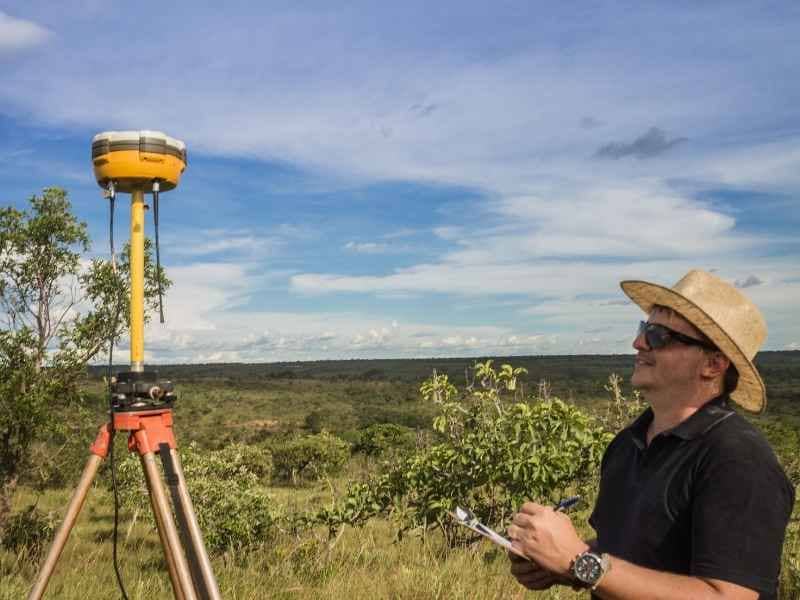
Estate sales can move quickly once the family agrees to sell. But buyers and their banks still need to know exactly what they are buying. A licensed surveyor visits the land, measures the real boundaries, and makes a map that shows the property as it looks today, not how it was described years ago.
This matters for a few simple reasons:
- Title companies usually need a new survey before they will insure the land.
- A buyer’s bank often will not approve a loan without one, especially for older or rural properties.
- The whole family gets one clear record instead of guessing from memory or old papers.
Think of the survey like a photo. It shows exactly what is being sold. This protects both the family and the buyer from arguments after the sale is done.
Why Timing Matters
It is smart to order the survey early, before the property goes up for sale. This gives the family time to fix any boundary or access problems calmly, instead of rushing at the last minute before closing.
Confirm Boundaries When Estate Records Are Outdated
Many properties were only surveyed once or maybe never long before the heirs were even born. Old descriptions may mention things that are gone now, like an old fence, a tree that fell down, or a creek that has moved.
A property survey finds the true legal boundaries again. It uses today’s tools and ties the corners back to official records. This step is very important when:
- The deed uses old, confusing directions instead of clear measurements.
- A neighbor’s land was surveyed more recently, which could cause a mismatch.
- The estate has more than one piece of land that needs to be split between family members.
If there is a mistake between the old deed and the real property lines, it is much better for the surveyor to find it now. That is easier than a lawyer finding it during closing.
Show Improvements That Matter to Heirs and Buyers
An estate property is often more than just open land. It may have a house, a shed, a driveway, a well, a septic system, or an old barn. All of these affect how much the land is worth and how it can be used. A survey shows exactly where each of these sits compared to the property lines.
This matters because a building or fence that crosses onto a neighbor’s land can slow down a sale or hurt a buyer’s chance of getting a loan. Families often do not know about these problems because the item has “always just been there.”
A new survey usually shows:
- The outline of the house and any other buildings
- Fence lines, and whether they match the real property line
- Driveways or shared paths
- The location of the septic system and well
If an item crosses onto someone else’s land, finding this out early gives the family time to fix it, maybe with a simple agreement with the neighbor. That is much better than losing a buyer later.
Clarify Easements and Access Before Ownership Changes
Many properties share a driveway or use a right-of-way that was never written down clearly. Sometimes it was written down so long ago that no one remembers the details. When the land changes owners through an estate sale, these access rights need to be checked and written down clearly.
A property survey shows:
- Any easements on record, like ones for power lines, drainage, or shared driveways
- Paths that people use but that are not officially recorded
- Whether the property has a legal, recorded way to reach a public road
This matters a lot for land that is hard to reach or only reachable by a shared gravel road. Buyers and their banks want proof, in writing, that the access they are counting on is protected by law not just a friendly agreement between neighbors that could change.
Give Everyone a Common Map for Estate Decisions
Maybe the biggest benefit of a property survey is the simplest one: it gives every heir, agent, and buyer the same accurate map to look at.
Estate sales often involve several people, brothers, sisters, other relatives, or a person appointed by the court. They may not agree on the details of the land just from memory. A current survey clears up the confusion. It becomes the one shared answer for:
- Splitting the land fairly between family members
- Setting a fair price based on the real size of the land
- Answering questions from buyers and banks
- Solving disagreements before they turn into fights
When everyone looks at the same map, decisions happen faster and there are fewer arguments. That is exactly what most families want during a hard and emotional time.
Frequently Asked Questions
Do I need a new survey if the land was surveyed a long time ago?
Usually, yes. Banks, title companies, and buyers almost always want a current survey, especially if the old one was done before new buildings, fences, or changes to nearby land.
Who pays for the survey during an estate sale?
This can go different ways. Sometimes the estate pays for it before listing the property. Other times it gets worked out in the sale agreement. Either way, doing it early usually saves time and money.
How long does a property survey take?
For most homes or land, it usually takes one to three weeks. This depends on the size of the land, the terrain, and how fast county records can be found.
