
Construction Survey Staking for Fast Growing Subdivisions
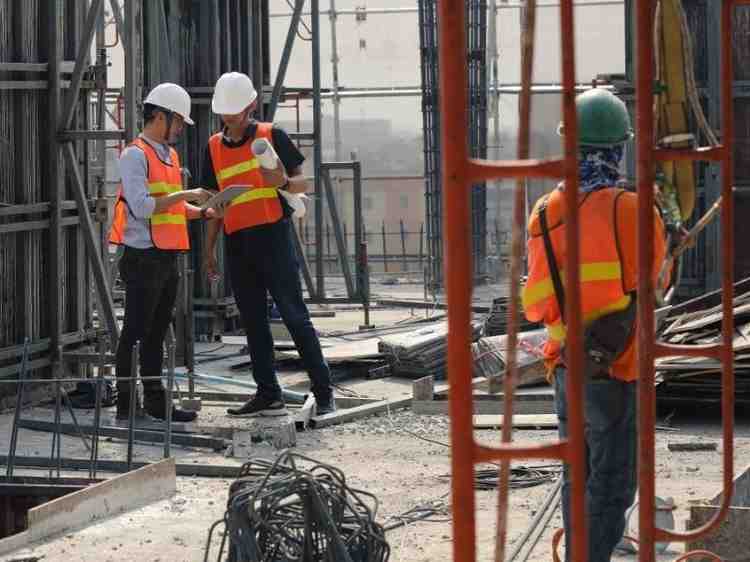
Fast growing subdivisions bring new homes to many families quickly but speed means nothing if layout details get mixed up. Construction survey staking marks exact spots on the ground so crews build roads lots and homes right where the plans say they belong. When dozens of crews work across many lots at once small errors add up fast and cause expensive fixes or delays later.
Organizing Layout Control Across Many Lots
Large subdivisions often split work between different teams and each team may only see their own small section. Construction staking helps crews keep subdivision layout consistent when multiple lots are being built at once because it sets common reference points that everyone uses. Surveyors place permanent markers that line up with official lot boundaries so no one guesses where one lot ends or the next begins. This keeps lot sizes uniform and prevents messy gaps or overlaps between neighbors.
Teams can also work in separate zones without losing track of how all the pieces fit together. If one crew finishes early another can step in and pick up exactly where the last group left off. This steady alignment keeps the whole project moving smoothly instead of stalling over conflicting measurements.
Marking Roads and Lot Improvements in Sequence
Building everything at once leads to tangled pipes, misplaced curbs or blocked access later. Staking can guide roads, utilities pads, drainage areas and other subdivision features in the proper order so crews lay foundations before they finish work. Surveyors mark center lines for roads, edge lines for curbs, exact spots for water and sewer lines and finished heights for building pads. Each mark tells crews what to do first and what comes next so nothing gets built in the way of another task.
This step by step guidance also protects work that is hard to move. If a crew lays a main sewer line first they know exactly where to cut road beds or place foundations without risking damage to new pipes. It also helps match drainage slopes so water flows away from homes instead of pooling near foundations or roads.
Helping Crews Avoid Mistakes During Rapid Buildout
Working fast often means people rely on quick glances or rough estimates instead of careful checks. Field marks reduce confusion when contractors are working quickly across several homesites because every key spot has a clear physical marker right there on site. Crews do not need to carry big drawings or debate what a line on paper means. They just follow the stakes to set foundations, dig trenches or grade land.
Common mix ups that clear staking stops include:
- Building a foundation too close to a side lot line
- Setting a driveway entrance in the wrong spot along the road
- Grading land too high or too low for proper drainage
- Placing utility lines across where future roads will run
Keeping Subdivision Plans Aligned With Approved Drawings
Local offices review and approve every layout before work starts but paper plans do not always match what people build. Staking transfers the approved design to the field so installation follows the planned layout exactly. Surveyors match every stake back to the official drawings so no one changes lot sizes, shifts road lines or moves drainage areas without proper review. This keeps the project compliant and avoids having to tear down work that breaks rules.
It also creates a clear record for inspectors who visit during construction. They can compare what sits on the ground against the stakes and the approved plans to confirm everything fits before moving to the next stage.
Supporting Smooth Hand Off Between Development Phases
Many large subdivisions open in stages and crews from one phase rarely work on the next. Construction survey staking helps future phases connect properly with roads utilities and earlier site work because it leaves clear reference points that stay in place. When the next group starts they can tie their measurements straight to existing stakes so new roads line up with old ones and utility lines connect without gaps.
This also helps when different companies handle different phases. No one wastes time reminiscing about old work or fixing mismatched lines. The project stays consistent from the very first lot all the way to the final street.
Frequently Asked Questions
Why is construction staking important in subdivisions?
It helps place roads, lots of utilities pads and site improvements according to the approved plans. It keeps layout consistent and stops mistakes that come from guesswork.
Can staking help when many homes are being built quickly?
Yes. It gives crews clear field references during fast moving construction. It reduces confusion and keeps work aligned even when many teams work at the same time.
What subdivision features can be staked?
Roads utilities building pads, drainage areas, lot corners and other site improvements may be staked. Any feature that needs exact placement gets a clear mark.
When should subdivision staking begin?
It should begin before roads utilities grading or foundation work starts. Early staking sets the right base for every task that follows.