↓
 

Clarksville Land Surveying

Local Land Surveyors in Clarksville, TN

Clarksville Land Surveying
(931) 263-1410
Clarksville Land Surveying
  • Home
  • ALTA Survey
    • Bowling Green, KY
    • Clarksville, TN
    • Jackson, MS
    • Jackson, TN
    • Lexington, KY
    • Louisville, KY
    • Memphis, TN
  • Boundary Surveying
  • Construction Survey
  • Drone LiDAR Mapping
  • Elevation Certificate
  • Land Surveying
  • Topographic Survey
  • About Us
  • Blog
  • Contact Us
Home 1 2 3 … 7 8 >>

Post navigation

← Older posts

Welcome to Clarksville Land Surveying

Clarksville Land Surveying Posted on August 18, 2017 by ClarksvilleSurveyorApril 16, 2018

This site is intended to provide you with information on Land Surveying in the Clarksville, TN and Montgomery County area of Tennessee. If you’re looking for a Clarksville Land Surveyor, you’ve come to the right place. If you’d rather talk to someone about your land surveying needs, please call our local number at (931) 263-1410 today. For more information, please continue to read.

land surveyingLand Surveyors are professionals who make precise measurements to determine the size and boundaries of a piece of real estate.  While this is a simplistic definition, boundary surveying is one of the most common types of surveying related to home and land owners. If you fall into the following categories, please click on the appropriate link for more information on that subject:

Clarksville Land Surveying services:

    1. I need to know where my property corners or property lines are. (Boundary Survey)
    2. I have a loan closing or re-finance coming up on my home in a subdivision. (Lot Survey)
    3. I need a map of my property with contour lines to show elevation differences for my architect or engineer. (Topo Survey)
    4. I’ve just been told I’m in a flood zone or I’ve been told I need an elevation certificate in order to obtain flood insurance or prove I don’t need it. (Flood Survey)
    5. I’m purchasing a lot/house in a recorded subdivision. (Lot Survey – See Boundary Survey if you’re not in a subdivision.)
    6. I’m purchasing a larger tract of land, acreage, that hasn’t been subdivided in the past. (Boundary Survey)

Contact Clarksville Land Surveying services TODAY at (931) 263-1410.

Posted in boundary surveying, elevation certificate, land surveying, land surveyor | Tagged boundary survey, Clarksville Land Surveying, land surveyor, land surveyor savannah tn

How LiDAR Mapping Is Improving Flood Risk Detection in Modern Land Surveying

Clarksville Land Surveying Posted on July 3, 2026 by ClarksvilleSurveyorJuly 1, 2026
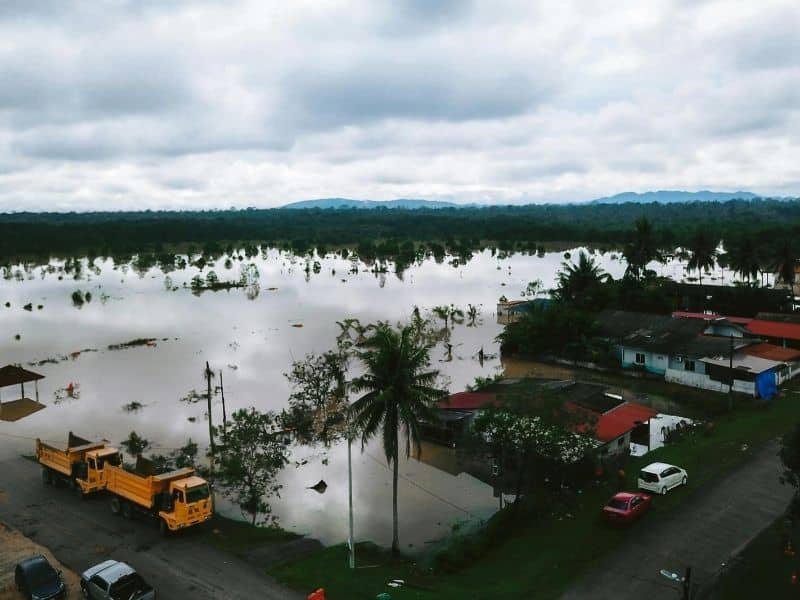
Aerial view of a flooded residential area with submerged houses and roads showing water spread across low elevation terrain highlighting flood impact zones.

Floods damage homes, wash out roads, and hurt communities every single year. Most old flood maps use rough estimates that miss small but important details about how land slopes. People often build or prepare based on these outdated files, so they end up facing risks they never saw coming. LiDAR mapping changes this by giving a sharp and exact look at every rise and dip across an area. It spots tiny changes in height that older tools cannot catch, so everyone can see where floods are most likely to happen long before storms hit.

How LiDAR Mapping Identifies Micro-Elevation Changes That Increase Flood Exposure

Water always flows to the lowest spot it can find. Even a three-centimeter drop can pull water toward houses instead of empty fields. Old survey methods only check points every 30 to 50 meters apart, so they skip shallow dips, worn paths, or ground that has sunk slowly over time. These small shifts look unimportant to the naked eye, but they can turn a safe street into a fast channel of runoff. LiDAR shoots thousands of laser pulses each second from planes, drones, or trucks. It measures every square meter of ground down to the centimeter, so no hidden slope or hollow goes unnoticed.

This matters most for coastal towns and low-lying villages. Land that sinks just a few centimeters over ten years becomes much more likely to flood during high tides or heavy rains. LiDAR tracks these small changes year after year, so local leaders can adjust rules before serious damage happens. It also shows how paved lots push water toward grassy yards, creating uneven risks that old maps never show.

Turning LiDAR-Derived Terrain Data Into Flood Depth Prediction Models

All those laser measurements create a dense group of points that mark the exact height of every rock, patch of dirt, and slope. Surveyors remove points that show trees, buildings, or cars, then build what is called a Digital Elevation Model. This is a perfect digital copy of the bare ground surface. Engineers use these files to test how water spreads during different storms. The program works out how fast water moves, which way it flows, and how deep it will get in every block or even single lot.

For example, a test might show one village will fill with water up to window height in four hours, while a nearby village stays dry. It can also show where fast currents will hit bridges or narrow roads. These results do not come from guesswork. They come straight from the real shape of the land, so teams can build better drains and barriers that actually work.

Why Traditional Flood Maps Fail Without High-Resolution LiDAR Inputs

Common flood maps like those from FEMA or local agencies often use data from 20, 30, or even 50 years ago. They mark huge areas as one single risk level and ignore small differences in shape. They also cannot tell the difference between the top of a tree and the ground below it, so they sometimes label hills as flood zones or hide dangerous dips under forests. Many towns still trust these maps, only to see floods hit areas marked safe.

LiDAR works through leaves and branches to measure the soil itself, so trees never mess up results. It also takes new readings whenever needed, so maps match how land looks right now instead of how it looked decades ago. When towns switch to LiDAR data, flood lines often move hundreds of meters. These changes put properties in the right risk group and stop people from trusting wrong safety marks.

Using LiDAR Mapping to Detect Hidden Drainage Pathways and Water Accumulation Zones

Many paths that carry floodwater leave no visible sign today. Old creeks filled in for new roads, shallow grassy dips, or low spots blocked by curbs still pull water toward them when it rains hard. Standard maps rarely show these features, so engineers design drains that miss them completely. LiDAR picks up these faint grooves and closed basins even if no one has seen them for years.

Features LiDAR finds include:

  • Filled-in stream beds that still catch lots of runoff
  • Low pockets with no exit where water sits for days after rain
  • Slopes that push water straight toward house foundations
  • Gaps where water seeps under roads and weakens the ground

Cities use this information to dig new channels, add more catch basins, or keep new buildings away from these natural flow paths. These small changes stop light rains from causing big problems.

How Insurance and Planning Decisions Rely on LiDAR-Based Flood Risk Classification

Insurance companies once charged similar rates for all homes in one flood zone, even if some sat high up and others sat in deep dips. Developers also got approval for projects that trap water just because old maps missed the risk. LiDAR gives clear risk scores for every single property, so costs and choices make more sense. Leaders can split big zones into smaller groups based on exact height, distance from flow paths, and where water builds up.

Homes on higher ground get lower premiums that match their real risk, while people in vulnerable spots get clear warnings before they buy. Planners can say no to projects in very dangerous areas, or require raised floors and better drains for those that go ahead. Banks also use these scores to make sure they do not invest in sites that will flood easily. Everyone uses the same clear facts, so rules feel fair and plans hold up when storms come.

Frequently Asked Questions

How does LiDAR improve flood risk detection compared to traditional surveying methods?

LiDAR captures very detailed height data that shows small changes in land shape. This lets teams predict flood risks far more accurately than older ground surveys or maps.

Can LiDAR mapping predict where water will collect during heavy rainfall?

Yes. It maps slopes and low spots clearly, so planners can see exactly where water will gather when it rains hard.

Why is elevation accuracy so important in flood risk analysis?

Even tiny differences in height change which way water flows. Exact measurements are needed to tell which areas will flood and which will stay dry.

Do flood insurance providers use LiDAR-based mapping data?

Many insurance companies use LiDAR maps to set fairer rates and check risk for each property more carefully.

Posted in LiDAR Mapping | Tagged LiDAR Mapping

The Role of LiDAR Mapping in Reducing Construction Errors Before Breaking Ground

Clarksville Land Surveying Posted on July 2, 2026 by ClarksvilleSurveyorJuly 1, 2026
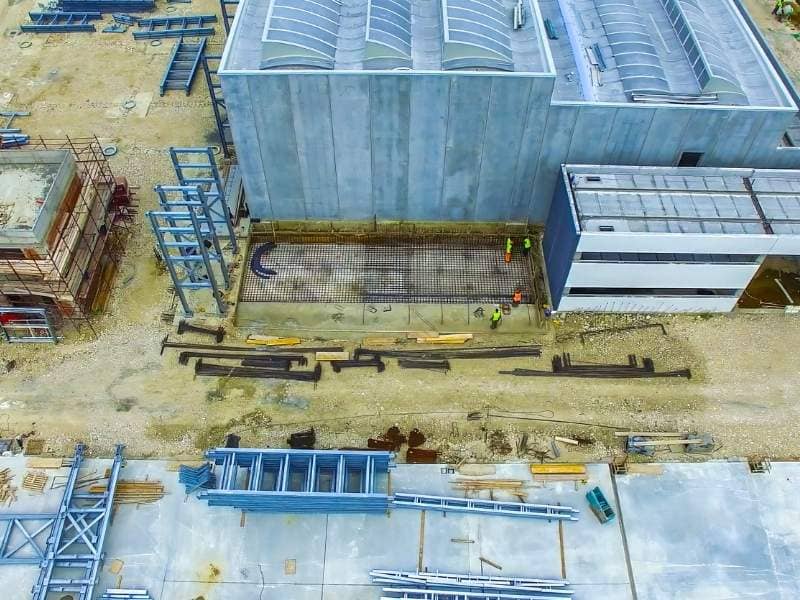
Aerial view of a large industrial construction site showing buildings, foundations, and materials used for land surveying and site analysis in construction planning.

Construction projects often run over budget or fall behind schedule because of simple mistakes made early on. Teams might design a building based on old maps that don’t match the actual land. They could miss hidden bumps in the ground or forget about old pipes buried just below the surface. LiDAR mapping solves these problems by creating clear and accurate pictures of a site before anyone moves dirt or pours concrete. This technology uses laser pulses to measure distances quickly and with great precision, so teams know exactly what they are working with from day one. When builders start with correct information, they avoid costly fixes and wasted work later in the project.

Pre-Construction Reality Checks Using LiDAR-Based Site Modeling

Most design teams start with blueprints or public land records that may be years out of date. These documents show how a site used to look, not how it sits right now. LiDAR mapping creates a full 3D model of the actual ground, trees, rocks and existing structures in just a few days. Teams can overlay their early design plans on top of this real-world model to spot mismatches right away. A foundation drawn for flat ground might sit right over a steep slope that no one noticed on paper. A planned parking lot could end up covering a drainage ditch that was never marked on old files. Catching these gaps early means teams adjust designs before buying materials or hiring crews, so they don’t waste time building something that won’t fit.

This step also stops teams from guessing how much dirt they need to move or where to place heavy equipment. Every bump and hollow shows up clearly on the 3D model, so calculations stay close to reality. Many projects waste tens of thousands of dollars on extra soil removal or unexpected retaining walls because no one checked the site properly. LiDAR models remove that guesswork entirely, so cost estimates match what the site actually requires.

Detecting Physical Site Conflicts Before Mobilization

Some site issues stay hidden until crews start digging, and that is usually too late. LiDAR mapping picks up details that even experienced surveyors might miss on a walkthrough. It shows small but steep drops in the land that could make a foundation unstable. It counts thick tree roots or dense brush that would block access for trucks and cranes. It also reveals old foundations, buried tanks or leftover utility lines that sit just below the grass. These obstacles can break equipment or delay work for weeks if builders don’t know they exist.

When teams identify these conflicts early, they can plan around them or schedule extra time to clear them out. They can mark which trees need protection and which ones must come down before work begins. They can also check how sunlight hits the land at different times of year to make sure new buildings won’t block light for neighbors or solar panels. All these checks happen before anyone brings tools or materials to the site, so no one gets stuck scrambling for solutions in the middle of construction.

Aligning LiDAR Point Clouds With BIM and CAD Design Systems

LiDAR data comes in a format called a point cloud, which is a huge set of 3D dots that map every surface on the site. This data works directly with the BIM and CAD software that most architects and engineers use to draw their plans. Teams pull the exact site measurements into their design programs so every line they draw matches the real world. They don’t have to type in numbers by hand or copy measurements from paper notes, which cuts down on typing errors and wrong calculations.

For example, an architect might design a ramp that meets safety rules on paper but would end up too steep for the actual slope. When they run the design against the LiDAR point cloud, the software flags the problem immediately. Engineers can also check how new pipes or beams will sit next to existing structures to make sure nothing overlaps or clashes. This tight link between real site data and digital plans keeps everyone working from the same set of facts, so different teams don’t create conflicting designs.

Reducing Layout and Positioning Errors in Early Construction Stages

Setting out the exact location of walls, columns and roads is one of the most error-prone parts of early construction. Workers used to stretch measuring tapes and use handheld levels to mark spots on the ground. These methods leave room for small mistakes that add up over long distances. A one-centimeter error at one corner can throw off the whole building by the time crews reach the opposite end. LiDAR mapping provides fixed reference points across the entire site that stay accurate to within a few millimeters.

Crews use these reference points to mark every layout line without relying on manual guesses. They can verify a spot as many times as needed without remeasuring the whole site. This consistency means columns line up straight, foundations sit exactly where they should and underground utilities run along their planned paths. Fewer mistakes here mean less tearing out and redoing work later when parts don’t fit together.

Establishing a LiDAR-Driven Quality Control Workflow Before Groundbreaking

LiDAR works best when teams use it as a final check before they break ground, not just as a one-time survey. They can run through a short set of checks to confirm everything lines up before work starts:

  • Match all design coordinates to the LiDAR reference points
  • Confirm no buried obstacles sit in planned construction zones
  • Verify cut and fill calculations match the actual terrain
  • Cross-check property lines and setbacks against official records

These steps create a clear record that everyone agrees on before any changes happen to the site. Project managers can share the LiDAR model with contractors, inspectors and clients so everyone sees the same facts. If a question comes up later about why something was built a certain way, the data from this pre-construction check provides the answer. This approach stops arguments and keeps work moving forward smoothly.

Frequently Asked Questions

How long does LiDAR mapping take for a typical construction site?

A small residential lot takes just a few hours to scan. A larger commercial or industrial site usually takes one to three days depending on terrain and tree cover. Processing the raw data into a usable 3D model takes another one to five days.

Can LiDAR see through thick trees or dense bushes?

LiDAR pulses bounce off leaves and branches first, but some light passes through gaps to hit the ground below. Software filters out the upper layers to create a clear map of the actual land surface even under heavy vegetation.

Does LiDAR mapping work in bad weather or at night?

LiDAR relies on laser light, so it works well in total darkness or bright sun. Heavy rain or thick fog can reduce accuracy slightly, but most surveys proceed as planned in light rain or cloudy conditions.

How much does LiDAR cost compared to traditional survey methods?

LiDAR costs more upfront than basic tape and level surveys, but it delivers far more detail. It usually saves money overall by preventing expensive mistakes and reducing the time needed for field work.

Posted in LiDAR Mapping | Tagged LiDAR Mapping

Heavy Tree Cover Does Not Always Hide What Surveyors Need to Measure 

Clarksville Land Surveying Posted on June 26, 2026 by ClarksvilleSurveyorJune 19, 2026
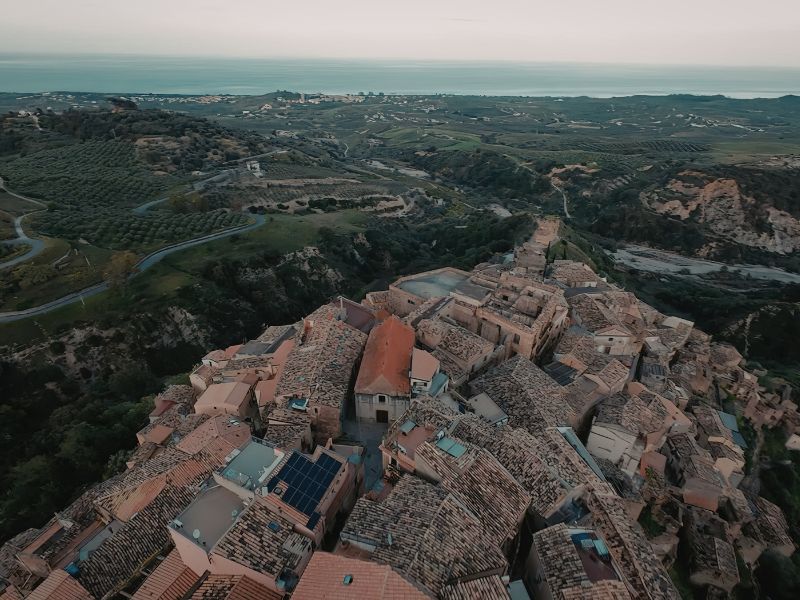
Aerial view showing terrain changes and valleys across a large rural landscape.

Forests hide the ground beneath a thick blanket of green leaves and tangled branches, making traditional land measurements tough. When trees pack a piece of property tightly, walking the land to figure out its secrets feels nearly impossible. Many people assume you have to chop down bushes or wait for winter just to see the true surface. Fortunately, modern crews use a technology called LiDAR mapping to solve this problem without harming nature. This tool sends light beams straight through the leaves from above to measure the dirt, giving owners a clean view of their hidden ground.

Unlocking this hidden view changes how people interact with large woodlots, hunting lands, and family farms. Instead of guessing what lies past the thick brush, you can see the real land surface on a screen. This data helps individuals manage their woods, find historical paths, and protect natural spaces. Here is how laser mapping looks past the heavy tree branches to reveal the actual dirt below.

Wooded Properties Can Hold Important Details Beneath the Canopy

Standing in the middle of a dense forest can confuse your sense of direction and hide the true nature of the space. Thick patches of briars and low hanging branches conceal unique ground features that define the property. To get a real sense of your acreage, you have to look past the plants and focus on the raw soil conditions. Rough sections or unique ground shapes often sit completely unnoticed just a few yards away from the main walking paths.

Laser scanning handles this challenge by using speed and light. The equipment sends out millions of tiny pulses that zip down from the sky, bouncing off anything they strike. A massive amount of these pulses bounce off the top leaves, but thousands find tiny openings between the twigs to hit the actual dirt. Special software then strips away the recorded tree layers, leaving a pristine view of the bare earth underneath.

Recreation Land and Large Acreage Present Unique Mapping Challenges

Taking care of large hunting grounds or a massive farm tract requires a completely different approach than managing a tiny neighborhood lot. These expansive outdoor spaces feature wild growth that makes walking the entire boundary line exhausting and dangerous. Standard cameras on airplanes do not help much because their photos only capture a flat wall of green leaves. Landowners need a reliable method to inspect their soil so they can make smart choices about logging or wildlife care.

  • Tangled underbrush: Thick patches of weeds and thorn bushes that completely block human foot travel.
  • Massive acreage: Hundreds of acres of wild land that take weeks to inspect fully by hand.
  • Camera blockage: Regular aerial photos cannot see past the top layers of the forest.

Airborne laser tools solve this problem by capturing extensive areas during a single short flight. This process gives land managers a complete digital layout of their property without forcing them to hike through thick brush. You can quickly pinpoint where to place deer stands, establish wildlife clearings, or park heavy vehicles safely. This advanced view makes managing large tracts simple, efficient, and highly accurate.

Ravines, Old Roads, and Forgotten Features May Still Exist Under Dense Vegetation

Humans leave permanent marks on the earth, but the wilderness has a habit of swallowing those memories quickly. An acreage might contain a historic wagon trail or an old logging path that nobody has used for generations. Deep natural ravines, stone mounds, and old farming terraces hide under layers of ivy and fallen wood. Spotting these historical markers on foot is incredibly difficult because the growing forest hides them from sight.

When lasers scan the area, these hidden shapes pop out perfectly on the computer screen. The digital map clearly shows the straight lines of forgotten stone walls and the flat beds of old roads. Property owners can use this information to discover exactly how people traveled across the land a century ago. This knowledge helps you preserve neat historical spots or use the old paths as a guide for your own modern hiking trails.

Seasonal Changes Can Alter What Property Owners See From Ground Level

The actual appearance of a forest changes constantly as the calendar moves from spring to winter. During the warm summer months, thick green leaves create a dark maze where you can only see a few feet ahead. When winter arrives, the leaves drop to reveal the ground, but heavy snow or piles of dead branches can still block your view. Because of these shifts, the exact same hill can look completely different depending on the month you visit the property.

Relying on a simple visual check during one season can give you an inaccurate picture of your ground. A dip that looks shallow in December might turn out to be a deep hole when summer weeds grow over it. Laser maps remove this seasonal guesswork by delivering a constant, unyielding image of the surface. The technology ignores the changing state of the plants, giving you a steady view of the soil whether you scan in July or January.

Better Site Knowledge Helps Owners Make More Confident Decisions

Being a good steward of a large piece of property means looking out for its health over a long period. If you plan to harvest timber, you must know which slopes are safe for logging trucks to climb without rolling over. If you want to carve out a new path for ATVs, you need to avoid steep drops or soft, muddy ground. Working with poor information makes these decisions risky, which often leads to ruined equipment or ruined land.

Acquiring precise data allows you to make your management choices with absolute certainty. You can mark off sensitive conservation zones, pick safe paths for vehicles, and find the perfect level spot to build a small hunting cabin. This strategy ensures your projects match the natural shape of the earth instead of fighting against it. It keeps your woods healthy, beautiful, and safe for your family for many years to come.

Frequently Asked Questions

Why is LiDAR mapping useful for wooded properties?

LiDAR mapping helps provide detailed information about land conditions that are difficult to observe beneath heavy tree cover.

Can LiDAR mapping be used on large acreage?

Yes. LiDAR mapping is commonly used to evaluate farms, recreational properties, and other large tracts of land.

What types of features can LiDAR mapping reveal?

LiDAR mapping can help identify terrain characteristics, natural depressions, old pathways, and other surface features that are not easily visible.

Does vegetation affect traditional observations of a property?

Yes. Trees, brush, and seasonal growth can limit visibility and make it harder to understand the land from ground level.

Who commonly uses LiDAR mapping services?

Landowners, developers, builders, engineers, and property investors often use LiDAR mapping to gain a better understanding of site conditions before making decisions.

Posted in LiDAR Mapping | Tagged LiDAR Mapping

Post navigation

← Older posts
Get Quote Button
© Boxer Survey USA
Clarksville Land Surveying

Clarksville, Tennessee
Phone: (931) 263-1410

Privacy Policy | Terms of Use

Web Development and SEO by:
AuburnBusiness.com, LLC

The owner of this website, Boxer Survey USA, provides coordination of professional land surveying and engineering services in all 50 states. The professional surveying and engineering services provided to you will be conducted by fully licensed professionals in your state.

↑